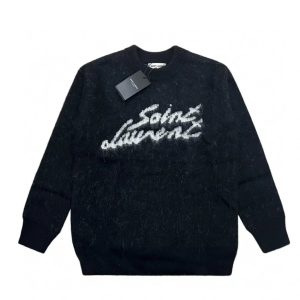
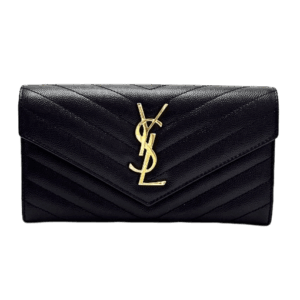
Discover YSL Style Picks on Kakobuy Spreadsheet
Using the Kakobuy Spreadsheet system over time has changed how I evaluate luxury-inspired streetwear and fashion listings. Instead of dealing with slow spreadsheets or unverified product entries, everything is now structured into a fast, visual browsing interface supported by QC (Quality Control) photos. This becomes especially relevant when browsing brands like YSL, where material finish, tailoring precision, and logo execution directly affect perceived value. The system behind Kakobuy spreadsheet with QC is designed to remove uncertainty from cross-border product discovery and replace it with visual verification that users can actually rely on.
YSL sits in the luxury fashion space where detail consistency matters more than volume. Whether it’s tailoring in jackets, leather texture in accessories, or print alignment in apparel, small variations can significantly change the product experience. Kakobuy Spreadsheet helps users evaluate these details before committing to external purchase flows.
Why YSL Works Well in Kakobuy Spreadsheet
YSL is defined by clean design language, premium materials, and precise tailoring. Unlike heavily graphic streetwear brands, its value lies in subtle execution details that are difficult to judge from text descriptions alone.
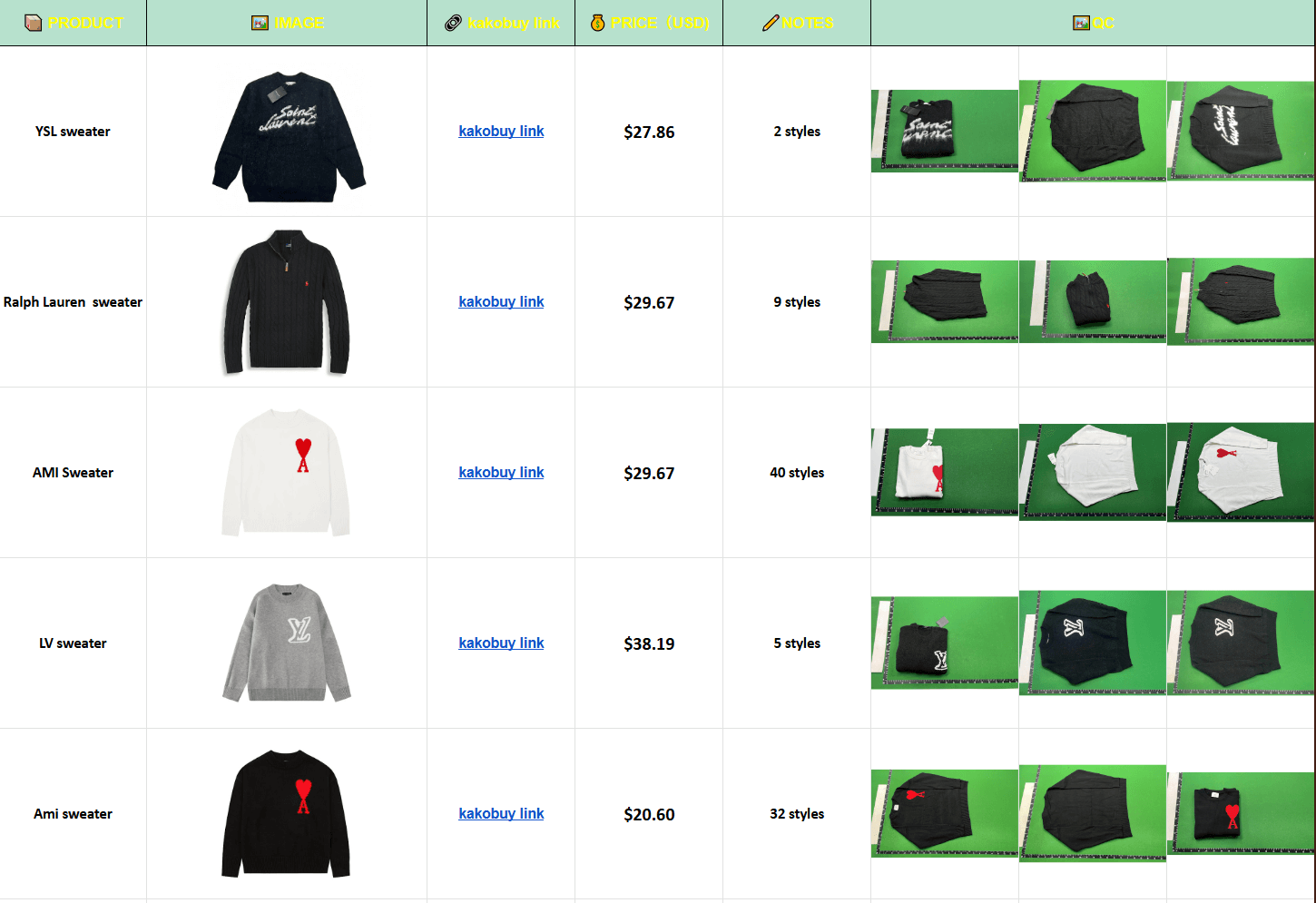
Within Kakobuy Spreadsheet, QC photos make these details visible and comparable.
- Leather texture consistency and surface finish
- Stitching precision in seams and hems
- Logo embossing and alignment accuracy
- Fabric drape and tailoring structure
Instead of relying on seller claims, users are effectively evaluating real product visuals before making purchase decisions.
YSL Product Structure in Kakobuy Spreadsheet
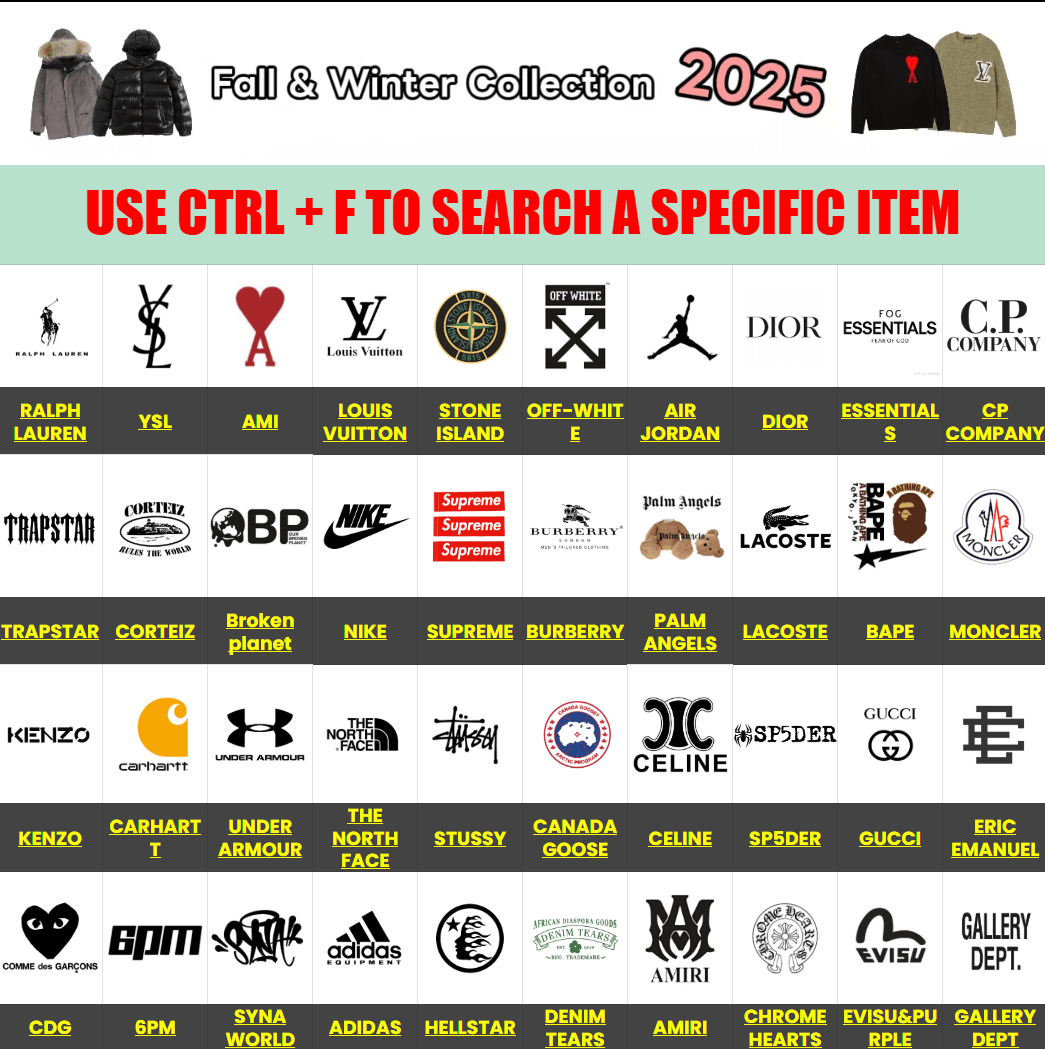
Inside the platform, YSL products are organized into structured categories rather than unfiltered spreadsheet rows. This improves browsing efficiency and helps users compare similar luxury items more effectively.
| Category | Typical Items | QC Evaluation Focus |
|---|---|---|
| Leather Goods | Wallets, bags | Texture consistency, stitching precision |
| Apparel | Shirts, jackets | Fabric quality, tailoring accuracy |
| Footwear | Sneakers, boots | Shape symmetry, material finish |
| Accessories | Belt, small goods | Logo alignment, hardware quality |
What stands out is how QC photos standardize evaluation across all categories, making comparisons more objective and less dependent on subjective descriptions.
Browsing Experience and Navigation Flow
One of the key improvements in Kakobuy Spreadsheet is navigation structure. Instead of scrolling through long, static lists, users interact with categorized brand pages and visual product cards.
For YSL products, this matters because subtle differences in material and finishing are easier to detect when items are displayed side-by-side in a structured format.
The system essentially transforms spreadsheet data into a decision-oriented browsing experience where QC images become the primary evaluation layer.
Coupons and User Incentives
Kakobuy provides structured promotional systems designed to support new users and reduce initial cost barriers.
Compensation package:
- Code: KAKOCARE
- 1 × 20% shipping discount voucher (no minimum spend)
- 1 × ¥50 shipping voucher
- 1 × ¥30 shipping voucher
First-time user benefit:
- Code: goatreps
- $20 instant credit
- Possible free shipping coverage
From a practical perspective, these incentives make it easier for users to explore YSL listings without committing a large upfront investment.
Personal Experience Using Kakobuy for YSL
From my own browsing experience, YSL is one of those brands where QC-first evaluation is genuinely valuable. Because product quality depends heavily on subtle craftsmanship, small inconsistencies are easier to detect through structured QC images than through descriptions alone.
What stands out is how quickly users can compare different listings. Instead of interpreting vague product notes, you are directly evaluating leather texture, stitching quality, and structural alignment.
In practice, this feels less like browsing a catalog and more like reviewing actual product evidence before making a purchase decision.
FAQ
What is the Kakobuy Spreadsheet website? What is its relationship with Kakobuy?
It is a structured browsing interface that converts spreadsheet-based product data into a faster, more visual catalog system. It operates within the Kakobuy ecosystem as a discovery and QC preview layer before external ordering.
What types of products are available on the website?
The platform includes luxury-inspired brands like YSL, streetwear, sneakers, and accessories organized by category and brand.
How is the product quality? Are there QC photos?
Yes. Most listings include QC photos showing real product checks such as stitching quality, material texture, logo accuracy, and finishing details.
What benefits are there for first-time users?
First-time users can use the goatreps code for a $20 credit and possible free shipping, plus additional shipping vouchers via promotional campaigns.
What are the international shipping costs and delivery times?
Shipping costs depend on destination and package weight. Delivery time varies depending on the external ordering agent, with tracking typically provided after dispatch.
What should I do if I receive an unsatisfactory product?
Users should contact the agent platform used for purchase. Resolution depends on refund, return, or exchange policies.
Is the Kakobuy Spreadsheet website mobile version easy to use?
Yes, it is optimized for mobile browsing with responsive design and fast category navigation.
What are its advantages compared to other Kakobuy Spreadsheet websites?
The main advantage is structured QC integration combined with faster loading speed and clearer navigation compared to traditional spreadsheet-based systems.
Conclusion
For YSL specifically, Kakobuy Spreadsheet provides a more reliable and structured way to evaluate luxury-inspired fashion. By combining QC imagery with organized navigation, it reduces uncertainty and helps users make more informed decisions based on visible product evidence rather than assumptions.