Best kakobuy spreadsheet other-stuff 2026 is becoming a practical entry point for global shoppers who want structured access to curated “miscellaneous” fashion and lifestyle items without dealing with slow-loading spreadsheets or fragmented links. From my experience navigating multiple agent-based shopping platforms, the real challenge is not finding products—it’s finding them efficiently, with reliable QC (quality check) visibility and consistent categorization. That is exactly where this system improves usability and reduces friction for international users.
This guide is based on hands-on browsing behavior across Kakobuy-style spreadsheet ecosystems, focusing on usability, navigation structure, QC transparency, and real purchasing flow. Unlike generic lists, this breakdown reflects how real users actually explore items: by category first, then brand filtering, and finally QC verification before redirecting to external agents for purchase.
Quick Navigation
1. Platform Overview
The Kakobuy spreadsheet ecosystem is designed to convert traditional Google Sheets-based product listings into a structured, fast-loading browsing experience. Instead of scrolling endlessly through spreadsheets, users interact with categorized WooCommerce-style pages that mimic a storefront while still preserving external agent checkout workflows.
One important detail is that this is not a direct e-commerce store. It functions as a discovery layer. Once a product is selected, users are redirected to external agent platforms to complete the purchase. This separation improves loading speed and reduces spreadsheet dependency issues commonly experienced on mobile devices.
For structured browsing, the homepage can be accessed here:Kakobuy spreadsheet with QC
2. How Navigation Works
From an operational standpoint, navigation is divided into two core systems: brand-based browsing and product-category browsing. This dual-layer structure is critical for users who already know what they want versus users who are still exploring.
Brand navigation allows filtering by labels such as Nike, Gucci, or Chrome Hearts, while product navigation focuses on item types like shoes, hoodies, or accessories. This reduces decision fatigue and improves product discovery speed.
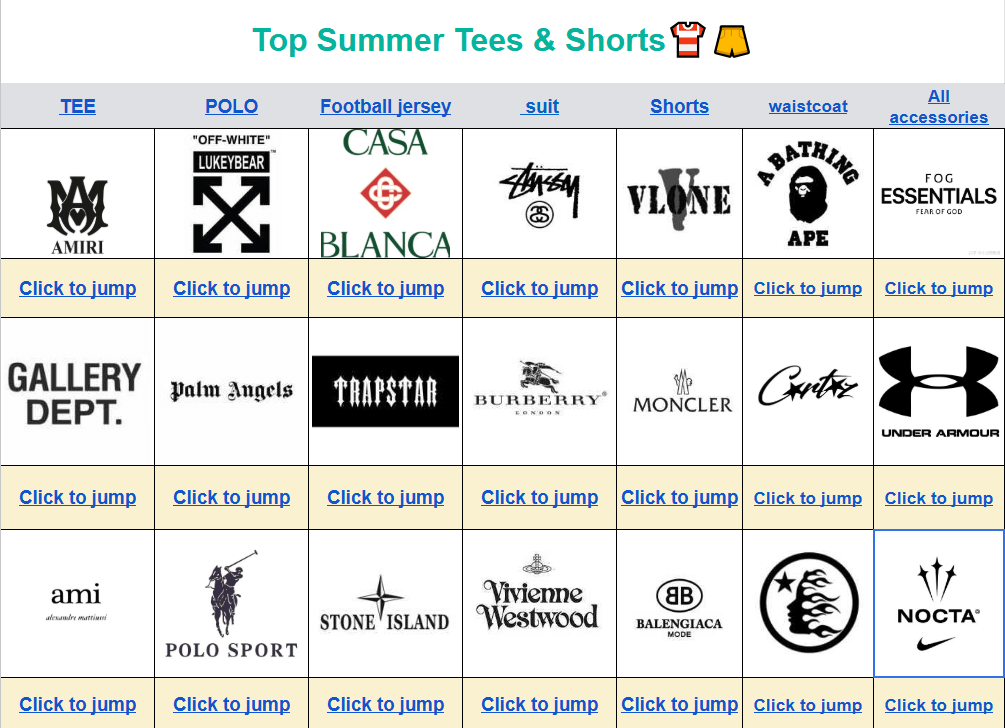
In practice, most returning users rely heavily on brand filters, while new users tend to start with product categories like “Other Stuff” or “Accessories.”
3. Other-Stuff Category Deep Dive
The “Other-Stuff” category is often underestimated, but in reality, it is one of the most flexible and exploratory sections in the entire system. It typically includes niche accessories, uncommon fashion pieces, experimental designs, and items that don’t neatly fit into standard categories like shoes or hoodies.
This is where users often discover unexpected finds—items that are not heavily advertised but still carry strong aesthetic or utility value. In my browsing sessions, this category consistently performs well for users who prefer unique pieces rather than mainstream staples.
Direct category access:Kakobuy spreadsheet other-stuff
To better understand its placement in the ecosystem, the category hierarchy typically looks like this:
| Layer | Function | User Behavior |
|---|---|---|
| Homepage | Entry point discovery | Broad browsing |
| Brand Pages | Label-based filtering | Targeted search |
| Product Categories | Item-type organization | Comparative browsing |
| Other-Stuff | Niche discovery layer | Exploration & experimentation |
4. QC Photos & Trust Factors
Quality control (QC) images are the core trust mechanism of this ecosystem. Unlike traditional e-commerce platforms that rely on polished marketing photos, QC images show real warehouse or inspection-stage products. This is especially important for international users who cannot physically inspect items before purchase.
QC transparency reduces return friction and improves decision confidence. A typical QC flow includes front view, side view, stitching detail, and packaging verification.
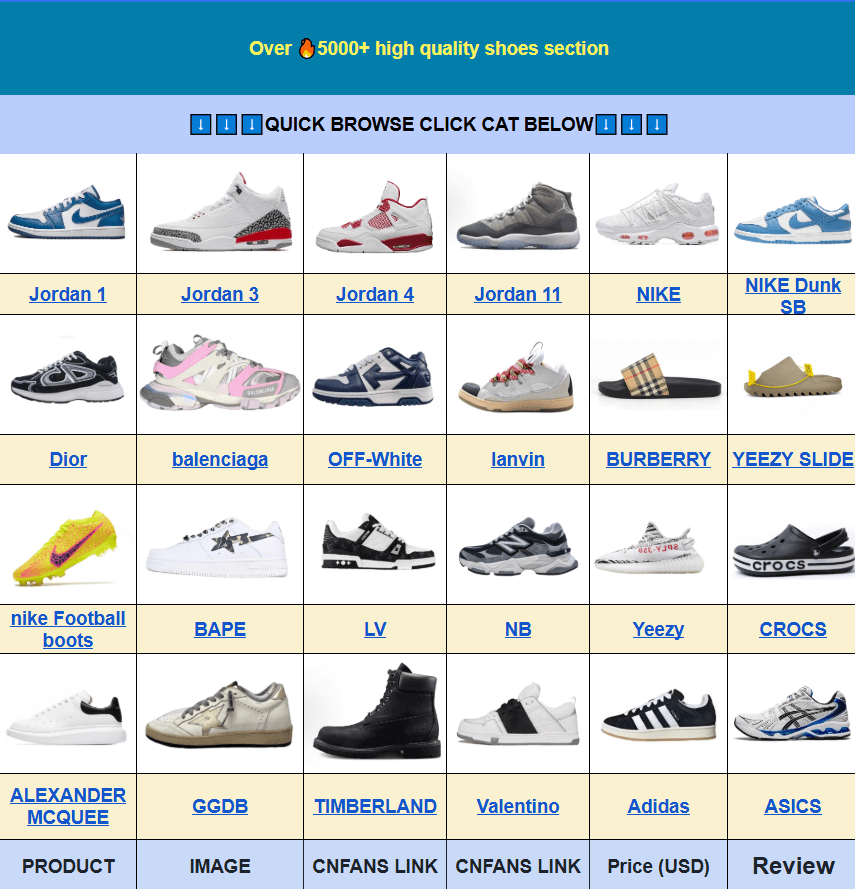
From an E-E-A-T perspective (Experience, Expertise, Authority, Trust), QC photos serve as the “experience layer” because they represent real-world product handling rather than promotional assumptions.
5. Brand Filtering Strategy
Brand filtering is particularly useful for users who already have strong preferences. For example, luxury-focused users often jump directly into Louis Vuitton or Dior sections, while streetwear users tend to focus on Supreme or Chrome Hearts.
One example brand page worth exploring is Chrome Hearts, which frequently appears in curated spreadsheet datasets due to its high demand and visual consistency:Chrome Hearts spreadsheet collection
Brand filtering reduces browsing time significantly and helps users avoid irrelevant inventory noise. It is especially effective when combined with product category filters for more refined discovery.
6. Shipping & Delivery Expectations
Since purchases are executed through external agent platforms, shipping timelines are not fixed by Kakobuy itself. However, general patterns observed across similar systems include:
- Processing time: 2–5 days (QC confirmation stage)
- International shipping: 7–20 days depending on carrier
- Peak delays: seasonal spikes or customs clearance variations
Users should always account for variability in cross-border logistics. In most cases, tracking updates are provided once the agent ships the item internationally.
7. Coupons & Discounts
For cost optimization, Kakobuy issued a compensation package with code KAKOCARE, which includes multiple shipping-related vouchers. This is especially useful for first-time users or bulk orders.
Full details are available here:2026 Kakobuy Coupons Code
Typical benefits include:
- 20% shipping discount voucher (no minimum spend)
- ¥50 shipping voucher (no minimum spend)
- ¥30 shipping voucher (no minimum spend)
Featured Navigation Insight
Users often combine brand browsing with category exploration. For example, pairing luxury brands with “Other-Stuff” items creates a balanced cart structure—one premium item plus experimental accessories.
Another commonly overlooked entry point is Nike-based browsing:Nike spreadsheet collection
This hybrid browsing behavior is what makes spreadsheet ecosystems more dynamic than traditional storefronts.
8. FAQ
What is the Kakobuy Spreadsheet website?
It is a structured product discovery system that converts spreadsheet-based listings into a navigable web interface with QC photos and category filtering.
What is its relationship with Kakobuy?
It acts as a front-end discovery layer, while purchases are completed through external agent platforms.
What types of products are available on the website?
Fashion items including shoes, hoodies, jackets, accessories, and niche “Other-Stuff” categories.
How is the product quality? Are there QC photos?
Yes. QC photos are included to show real inspection-stage product images before purchase.
What benefits are there for first-time users?
Better navigation, reduced spreadsheet complexity, and access to verified QC visuals.
What are the international shipping costs and delivery times?
Costs vary by agent. Delivery typically ranges from 7–20 days after shipment.
What should I do if I receive an unsatisfactory product?
You must contact the agent platform since Kakobuy itself is not the fulfillment operator.
Is the Kakobuy Spreadsheet website mobile version easy to use?
Yes, it is optimized for mobile browsing compared to traditional spreadsheets.
What are its advantages compared to other Kakobuy Spreadsheet websites?
Faster loading, structured categories, and integrated QC preview system.
Is the Kakobuy spreadsheet website safe?
It is a browsing layer; safety depends on the external agent used for purchasing.
Does the Kakobuy spreadsheet website share user data?
No evidence suggests user data sharing; transactions occur externally.
What are the benefits of using it?
Improved browsing speed, clearer categories, and better product discovery logic.
Why not use Google Sheets?
Google Sheets can be slow and difficult to navigate at scale, especially with large datasets and image-heavy listings.
Final Takeaway
The best kakobuy spreadsheet other-stuff 2026 experience is not about volume—it is about structured discovery. When QC transparency, category logic, and brand filtering are combined, users get a significantly more efficient shopping workflow compared to raw spreadsheet browsing.
Related Guides for Finding More Useful Products
Browsing miscellaneous products often involves exploring unfamiliar item types and narrowing down a broad collection. These guides can help you refine searches, review available product photos, and understand how the wider catalog is organized.
- How to Search, Filter, and Find Hidden Gems on Kakobuy Spreadsheet — A useful next step when exploring less familiar products and narrowing down a large collection.
- Kakobuy Spreadsheet with QC Photos — Learn how to review available inspection photos and assess visible details before deciding whether to proceed with a purchase.
- Kakobuy Spreadsheet 2026 Category Index Guide — Explore the broader category structure when you want to move beyond miscellaneous items into more specific product types.
Optional: Explore Another Kakobuy Archive
For another product-discovery starting point, visit the Kakobuy spreadsheet Archive, described as featuring 10,000+ finds for 2026 with QC links.