Getting started with China-based shopping agents can feel slow until you learn the right discovery method. This hipobuy spreadsheet agent tutorial shows exactly how to move from browsing to ordering fashion picks much faster, using a structured list instead of random searches.
Smart Search Tip: Looking for more? To find items instantly, use single-word keywords (e.g., “SHOES” or “T-SHIRT”) instead of long sentences for the best results.
Quick Navigation
RECOMMENDED RESOURCE
Looking for the 10K+ Database?
Get instant entry to the complete, continuously updated 10,000+ link archive.
What the Hipobuy Spreadsheet Actually Is
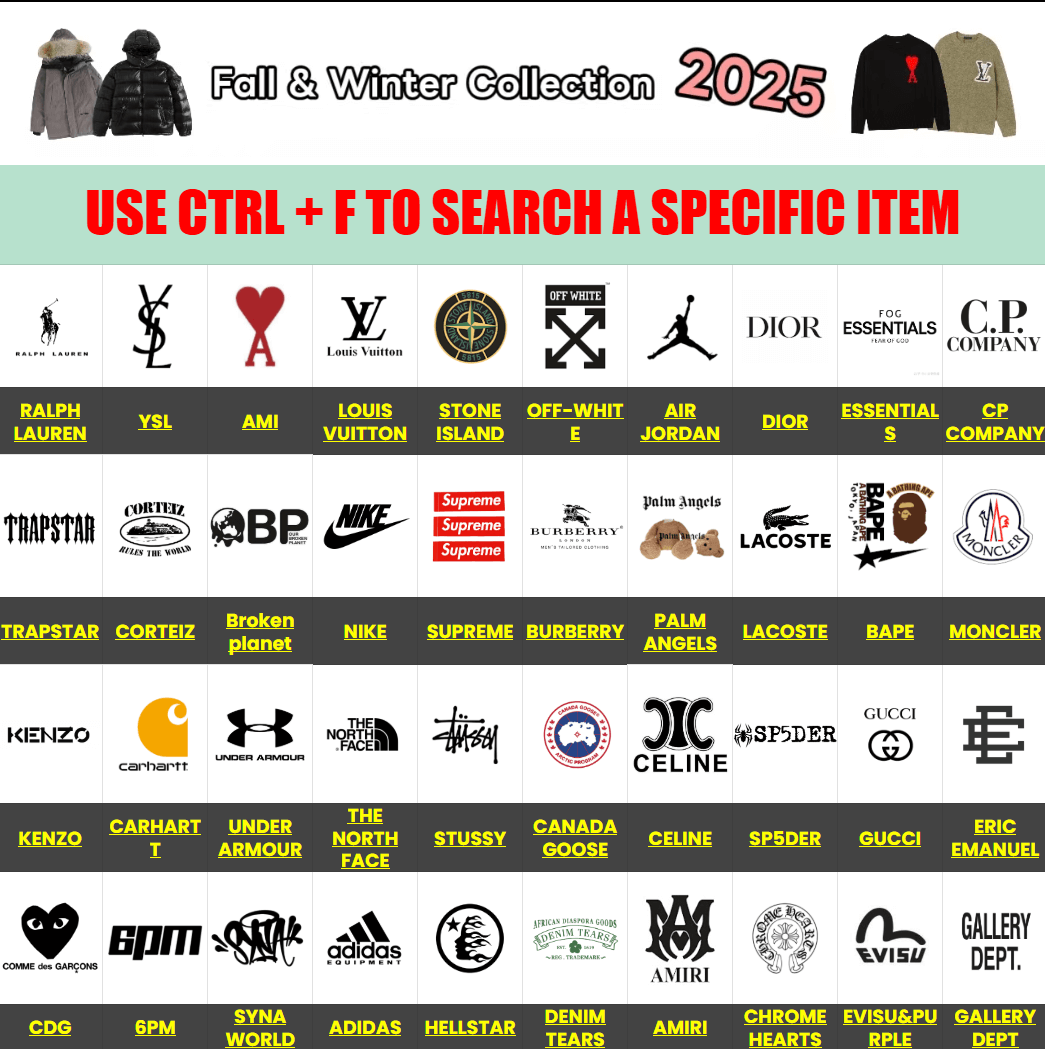
I used to open Taobao or Weidian and spend hours filtering through sellers I knew nothing about. The Hipobuy Spreadsheet changed that pattern. It is simply a large, regularly updated collection of product links that other shoppers have already tried or flagged as consistent. Entries are grouped by type of item so you do not have to dig through thousands of rows every time.
The list itself does not process payments or ship packages. It only points you toward items that can be ordered through an agent. Many lines include notes on manufacturer dimensions, recent buyer comments, and direct links to quality-check photo sets. That extra layer of context is what makes the difference between guessing and deciding with some confidence.
Think of it as a living catalog maintained by people who place the same kinds of orders you want to place. When a new seasonal drop appears or an older seller improves their batch, the better community versions get updated within days. That keeps the whole resource useful instead of turning into a stale archive.
How It Works with the Hipobuy Agent
Hipobuy is a purchasing agent. You paste a product URL, they buy the item on your behalf, hold it in their warehouse, offer optional quality-check photos, and ship the consolidated package once you approve. The spreadsheet feeds that process by giving you ready-to-use links.
In practice I keep both tabs open. I browse the spreadsheet or an improved web version of it, copy the link I want, paste it into the Hipobuy order form, and wait for the warehouse to receive the item. After the QC photos arrive I either release the parcel for shipping or ask for a return if something does not match the description.
The two tools stay independent. The spreadsheet never sees your payment details or shipping address. All account information stays inside the agent platform. That separation is useful for privacy and also means you can switch agents later without losing the discovery method you already learned.
For a cleaner interface than a raw Google Sheet, many people now prefer sites that present the same data with photos and filters. One example I use regularly is kakobuy spreadsheet with QC.
Practical Search Flow for New Buyers
Most people type long descriptive sentences the first time and get poor results. The search works best with short, single terms. Type “hoodie”, “sneakers”, “crossbody”, or “jacket” and then use the category filters if the version you opened supports them.
Once a short list appears I check three details before copying any link:
- Is there a recent set of warehouse photos?
- Does the entry mention batch sizing or manufacturer dimensions?
- Are the latest comments positive about the same seller?
If those three look acceptable I add the link to my agent cart and request QC photos. Only after the photos arrive do I decide whether to keep the item. This small habit has saved me from more than one disappointing package.
On a phone the flow is nearly identical. Modern web versions of the spreadsheet load the category tabs and search box without heavy lag, so you can shortlist items during a short break and finish the order later on a computer.
What Categories Appear Most Often
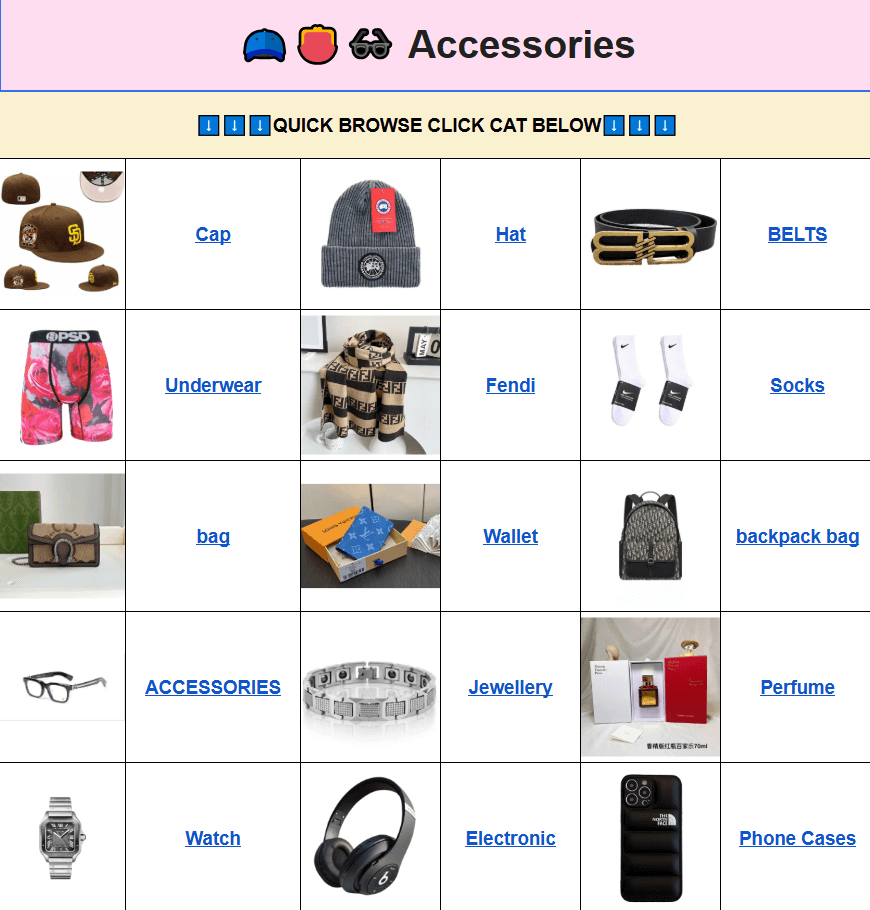
The list is not a random dump of every possible product. It is usually sorted into practical groups that match what most international buyers actually order. Here is a simple breakdown of the sections I open most often:
| Section | Common Items | Beginner Advantage |
|---|---|---|
| Everyday Tops | T-shirts, hoodies, light jackets | Frequent size notes and photo sets |
| Footwear | Casual sneakers, slides | Many entries show sole and tongue close-ups |
| Bags & Accessories | Crossbodies, caps, belts | Lower cost, good for testing the full process |
| Women’s Picks | Sets, outerwear, seasonal pieces | Often filtered by season in updated versions |
| Archive & Limited | Older or hard-to-find styles | Useful once you know your preferred sellers |
Having these groups ready means you can jump straight to the type of item you need instead of scrolling through everything. That alone cuts the discovery time dramatically.
Lessons from My First Few Hauls
I made the classic beginner mistake of ordering too many items at once. The warehouse filled up, shipping weight climbed, and I felt pressure to accept every piece just to move the package. Starting with two or three lower-priced items taught me the rhythm of QC photos, storage time, and final shipping quotes without the stress.
Another habit that paid off was writing down the exact product links I liked. When the main spreadsheet received an update I could quickly check whether a newer batch or a different seller had appeared for the same style. Over time that personal shortlist became more valuable than the original long list.
Finally I stopped releasing packages the moment the first QC photos arrived. Waiting an extra day and requesting a second angle when something looked slightly off has prevented several returns. The agent support team is usually responsive once you provide clear photos of the concern.
Questions I Hear Most Often
Is the mobile version easy to use, and how do I search effectively?
Yes. The better web versions keep the search box and category tabs visible on a phone screen. I type one clear word, skim the results, and save the links I want. Full sentences almost always return fewer useful matches than a single keyword.
What are typical international shipping costs and delivery times?
The final price depends on total weight, volume, and destination. Most agents show a live calculator once the items sit in the warehouse. From my own packages, standard lines to North America or Europe often land between 8 and 18 days. Priority options cost more but can cut that window roughly in half. Always check the estimate after consolidation rather than relying on early guesses.
How is product quality handled and are QC photos available?
Quality varies by seller, which is why the photo step matters. Popular entries in the spreadsheet usually include recent warehouse photos. I treat those photos as the real decision point. If the item looks different from the seller’s original pictures I can usually request a return through the agent before it ever leaves China.
What should I do if something arrives and I am not satisfied?
Take clear photos of the issue while everything is still packed the way it arrived. Open a ticket with the agent and attach both the arrival photos and the original QC set. Many agents will open a dispute with the seller on your behalf if the problem is obvious. Keep the packaging until the case is closed.
Why bother with the spreadsheet instead of a plain Google Sheet?
A raw Google Sheet works until the list grows large. At that point scrolling becomes slow and the lack of photos forces you to open every link just to see the product. Web versions that organize the same data into categories, add search, and display QC images simply save time. After switching I spent less time navigating and more time deciding.
Does the spreadsheet collect or share user data?
The list itself is a public collection of product links. Browsing it does not require an account and does not capture personal information. Your order history, payment details, and shipping address stay inside whichever agent account you choose to use. That separation is one of the reasons I feel comfortable recommending the method.
What concrete benefits do first-time users usually notice?
The biggest change is speed of discovery. Instead of learning seller reliability through expensive trial and error, you start with links that other shoppers have already filtered. Clear categories and size notes also reduce the number of wrong sizes that end up in the warehouse. After the first small order the whole process feels much more predictable.
🔥 Explore Popular Hipobuy Categories & Spreadsheets: